When parents have uttered the statement ‘oh, it’s just a baby tooth’ when talking about tooth decay in their child’s mouth — they are in the same boat as many others.
This is a very common misconception in pediatric dentistry, but at the same time, one of the most dangerous ones. The milk teeth (primary, or baby teeth), indeed, are temporary.
But that does not mean that they are not important! For the families living in Pakenham, this knowledge can become an important factor in the future.
Quick Answer
It is important to keep milk teeth because they aid proper chewing and eating, enable correct speech formation, keep the space available for permanent teeth, and influence their proper growth. The loss of milk teeth due to tooth decay or infection can have detrimental effects, such as crowding, late eruption, and difficulty in chewing, sleeping, and studying.
What Are Milk Teeth and When Do They Appear?
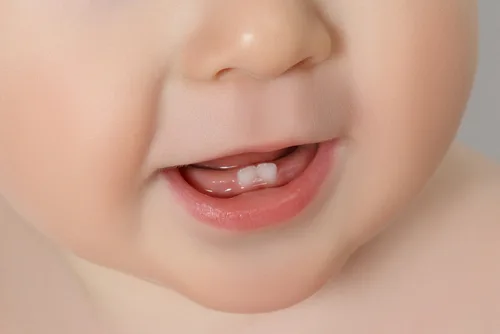
Milk teeth refer to the first 20 teeth that develop while one is still within the mother’s womb and start to appear at about six months. Usually, by two or three years of age, a child will have completed his/her set of milk teeth. They begin to fall out naturally from around six years of age to the teenage years.
Although these teeth are temporary, they play important roles during the most vital stages of childhood development.
Five Reasons Milk Teeth Are More Important Than They Look
1. They Make Eating Possible
Before permanent teeth, milk teeth do all the work of mastication for up to ten years.
A child suffering from pain, infection, and tooth loss in his or her jaw cannot properly masticate food – and that goes beyond the issue of pain.
Inefficient mastication implies inadequate breakdown of food, which may affect digestion and nutritional intake during the period when a person grows fastest.
2. They Shape How Your Child Speaks
Teeth are not only used for biting. Together with the tongue and lips, they contribute to sound production.
Some consonants – especially sounds such as ‘th’, ‘s’, ‘f’, ‘v’, ‘z’, ‘l’ – require front teeth for proper pronunciation.
A child losing his or her front teeth due to decay or injury will most likely form difficult-to-correct speech patterns.
3. They Reserve Space for Adult Teeth
Here is where the importance of this job becomes known to most parents. Every milk tooth is a space maintainer in itself; it maintains the position in the jawbone where the permanent tooth is supposed to develop. Whenever a baby tooth gets prematurely lost due to an infection or other reasons, the neighboring teeth fill up this gap, leaving the permanent tooth with less space to develop in the right place. This causes misalignment and crowded teeth.
4. Infection in Baby Teeth Can Affect Permanent Teeth
The decay in a milk tooth is not contained to just the milk tooth itself.
If it leads to an infection, there is a chance of the infection spreading to the permanent tooth bud located right beneath the surface of the milk tooth.
5. Early Dental Experiences Set Lifetime Habits
Those children who receive dental check-ups on a regular basis from a tender age, preferably since their first birthday, as suggested by the Australian Dental Association, tend to have better oral health outcomes when they grow up.
Positive experience helps to get familiarized, avoid dental phobias, and develop brushing and flossing habits.
The Biggest Threat to Milk Teeth: Early Childhood Tooth Decay
Tooth decay is the most widespread chronic illness among Australian children, but the best thing about it is that tooth decay is completely preventable.
Early childhood caries affects the lives of children by causing pain, interfering with their sleeping